Air sealing and insulation: order the work before comparing savings
Prepare an energy retrofit scope that addresses moisture, ventilation, access, verification and realistic savings assumptions.

What matters before you decide
Start with the building’s condition and an assessment of where energy is lost. Resolve active water problems before covering them with insulation. Ask how air sealing, insulation and ventilation will be coordinated and verified; a thicker insulation layer alone does not prove the entire project is effective.
- Record utility use and comfort problems.
- Resolve moisture before covering affected materials.
- Confirm ventilation and combustion-safety review.
Define a baseline that can be checked
Collect recent utility bills and note occupancy, thermostat settings and rooms with drafts or uneven temperatures. Ask an energy assessor what tests are appropriate for the home and which areas cannot be accessed. Record the existing insulation condition, not just its nominal thickness. Distinguish observed air leakage from a proposed intervention. This baseline helps avoid assigning every future change in the bill to the retrofit when weather or household use also changed.
Sequence the work around building conditions
Ask the contractor to identify roof leaks, plumbing leaks, damp materials and ventilation concerns before the work begins. The DOE weatherization framework treats the house as a system, with energy work coordinated with relevant health and safety checks. Do not seal combustion air openings or install insulation around heat-producing equipment without the appropriate assessment. Get a written scope for penetrations, access hatches and difficult edges rather than a quote based only on floor area.
Specify verification and a usable handover file
Ask how the contractor will demonstrate the specified air sealing and insulation coverage, including areas hidden after completion. Request dated photographs, product information, any test results and a list of exclusions. Compare bids using the same treated area and access assumptions. Treat a savings estimate as a scenario with explicit weather, rates and usage, not an unconditional promise. Preserve records for future HVAC sizing and disclose relevant work when selling.
Decision checklist
- Record utility use and comfort problems.
- Resolve moisture before covering affected materials.
- Confirm ventilation and combustion-safety review.
- Document hidden work and completion tests.
Frequently asked questions
01Should insulation always be the first energy upgrade?
No. The assessment should establish the sequence for the actual home, including leaks, moisture, equipment and ventilation.
02Will the quoted saving appear exactly on my bills?
Not necessarily. Rates, weather, occupancy and comfort settings can change. Keep the assumptions and compare actual use over a meaningful period.
Primary sources and further reading
Always verify the date, scope and local application before using a source for a specific decision.
Independent educational information. Not legal, tax, lending, or investment advice. Verify local rules and consult licensed professionals before making a real estate decision.
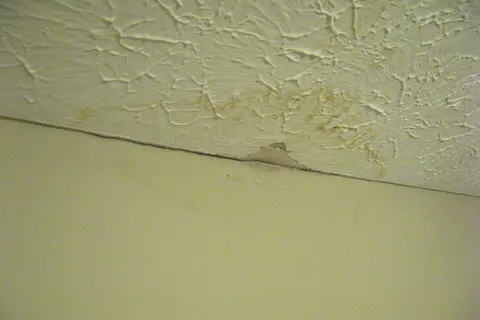
Moisture and mold: investigate the cause before negotiating repairs
Build a moisture investigation file: observations, leak history, inspection scope, repair estimates and evidence that the source was corrected.
Read the file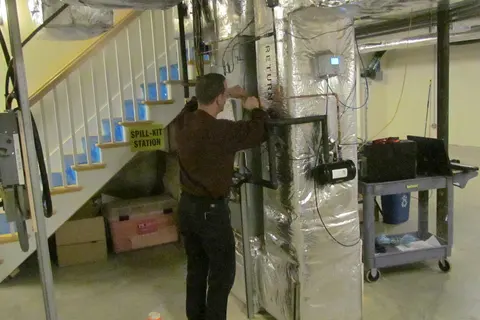
Heat pump quotes: compare the system, installation and operating assumptions
Compare heating and cooling proposals using load calculations, equipment identifiers, electrical work, backup heat and commissioning records.
Read the file
How to investigate a home’s energy costs before buying
Compare dated utility records, building systems and an independent energy assessment before turning an advertised payment into a household budget.
Read the file