Moisture and mold: investigate the cause before negotiating repairs
Build a moisture investigation file: observations, leak history, inspection scope, repair estimates and evidence that the source was corrected.
What matters before you decide
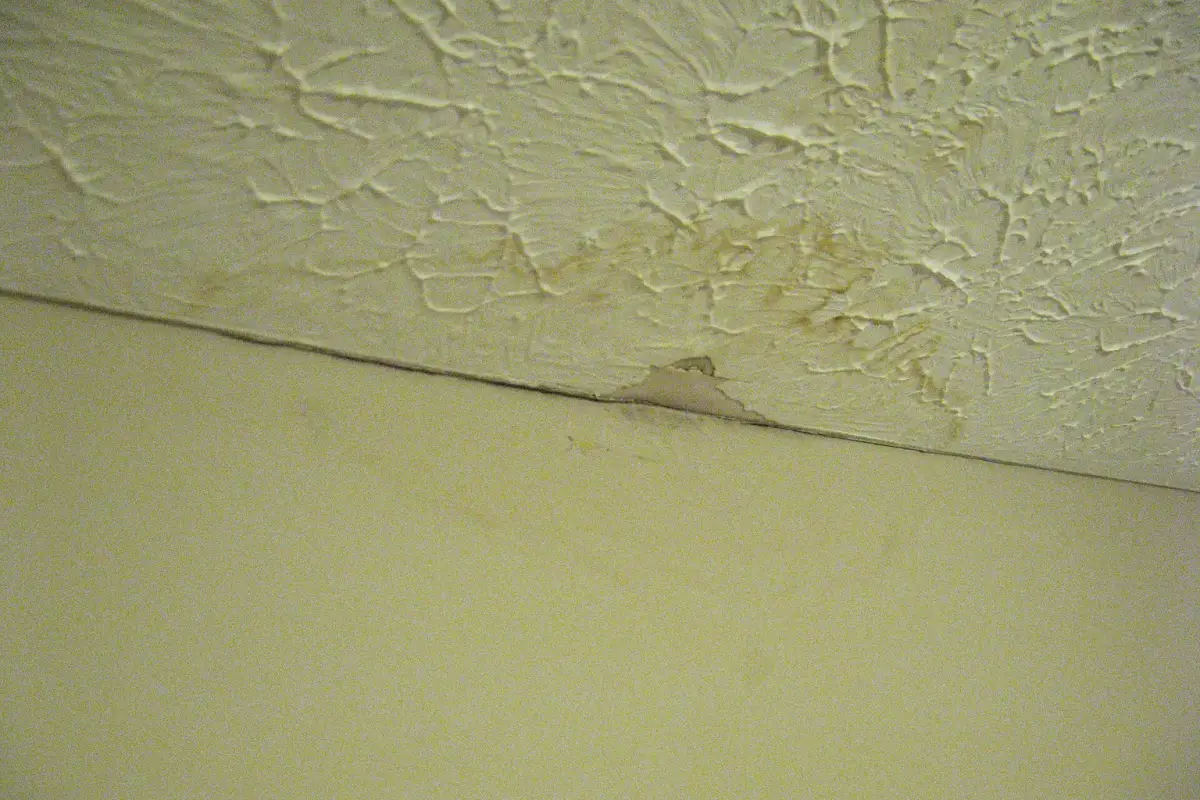
A stain, smell or fresh coat of paint is a reason to investigate, not a complete diagnosis. Identify the water source, the affected materials and the scope of repair. EPA guidance emphasizes moisture control; a cleanup invoice alone does not establish that a recurring leak has been resolved.
- Save dated observations and the leak history.
- Define the specialist’s scope and inaccessible areas.
- Price source correction separately from cosmetic restoration.
Create a dated observation record
During the permitted inspection, photograph the location and extent of visible stains, bubbling finishes or damage. Record recent weather and whether the area is a bathroom, exterior wall, ceiling or basement. Ask the seller for the dates of leaks, repairs and insurance claims, together with contractor invoices. A dry reading on one day does not explain what happens during heavy rain. Do not disturb suspect materials or open cavities without authorization and an appropriate professional.
Separate three questions in your file: what is visible, what caused it, and what remains unverified. This keeps a seller’s explanation, an inspector’s observation and a contractor’s proposed remedy from being mistaken for the same evidence.
Choose an investigation that answers the open question
Ask the inspector which areas were accessible, whether moisture measurements were taken, and which specialist should evaluate the suspected source. The appropriate next step may involve roofing, plumbing, drainage or building ventilation. EPA does not set a federal mold concentration limit for homes, and visible growth often does not require sampling to establish that a problem exists. If testing is proposed, ask what decision its result will change and who will interpret it.
Compare the complete repair scope
Request estimates that distinguish source correction, drying, removal of damaged materials and restoration. Confirm access, waste handling, permits where applicable and any follow-up inspection. Ask how successful completion will be documented. Compare a seller repair and a credit against the same scope; a credit does not create contractor availability or extend an inspection deadline. Obtain the agreed remedy in the contract and revisit the affected area before closing when access permits.
Decision checklist
- Save dated observations and the leak history.
- Define the specialist’s scope and inaccessible areas.
- Price source correction separately from cosmetic restoration.
- Confirm repair evidence and contractual deadlines.
Frequently asked questions
01Does a water stain prove mold is present?
No. A photograph shows a visible condition, not the composition of the material or the full cause. Have the condition investigated rather than diagnosing it from its appearance.
02Is a mold test always the first step?
No. Start with the inspection question and suspected moisture source. Ask a qualified professional whether sampling would change the repair or occupancy decision.
Primary sources and further reading
Always verify the date, scope and local application before using a source for a specific decision.
Independent educational information. Not legal, tax, lending, or investment advice. Verify local rules and consult licensed professionals before making a real estate decision.
A home inventory that can support an insurance claim
Organize dated photos, item records, receipts, secure backups and policy questions before a loss occurs.
Read the file
Air sealing and insulation: order the work before comparing savings
Prepare an energy retrofit scope that addresses moisture, ventilation, access, verification and realistic savings assumptions.
Read the file
Seller disclosures and property documents: how to review the file
Turn seller disclosures, permits, repair records, insurance clues and inspection findings into a dated list of verified facts and unresolved questions.
Read the file