A home inventory that can support an insurance claim
Organize dated photos, item records, receipts, secure backups and policy questions before a loss occurs.
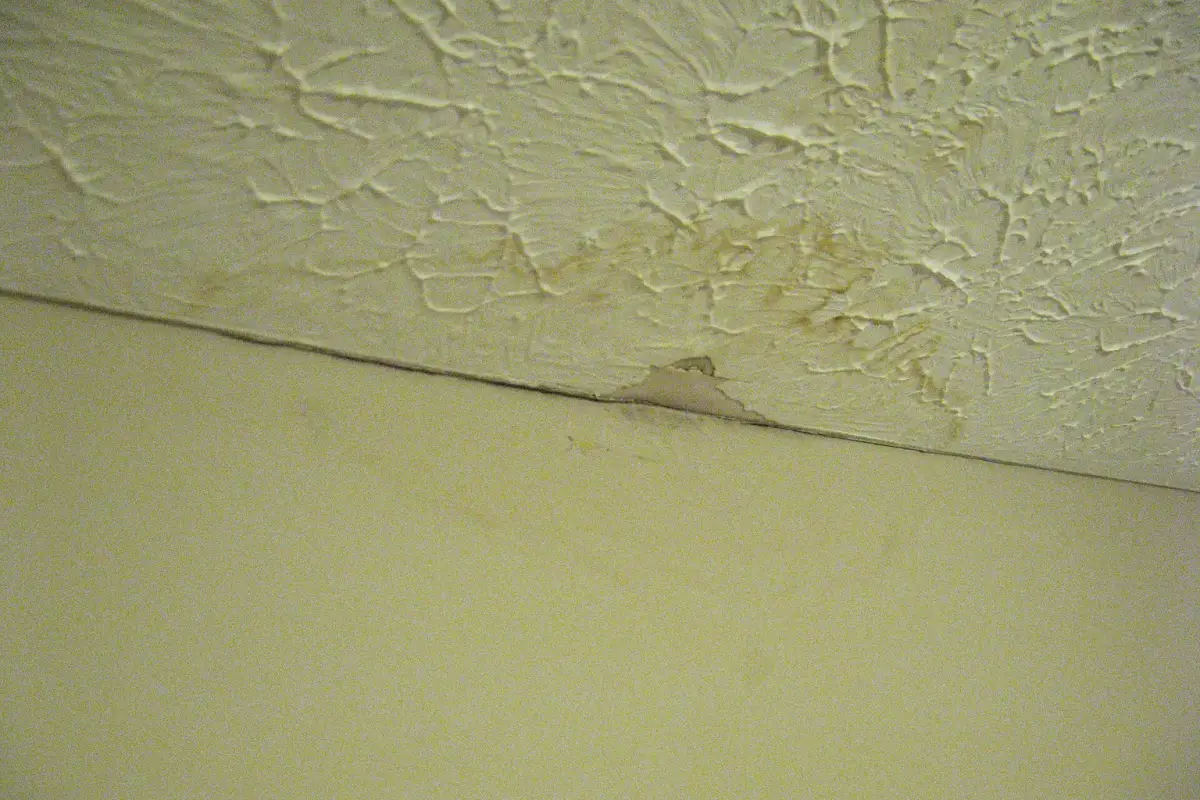
What matters before you decide
Create an inventory before a loss, store a secure copy away from the home and update it after significant purchases. An inventory documents possessions; it does not expand coverage or guarantee reimbursement. Review limits, deductibles and claim requirements in the actual policy with the insurer.
- Inventory rooms, purchases and significant items.
- Match receipts and photos using consistent identifiers.
- Ask about limits, valuation and claim requirements.
Use room-by-room records that are easy to update
Record an overall view of each room and then relevant item details. Use consistent identifiers such as room, item name, brand or model, purchase date and receipt reference. Add serial numbers when useful, without publishing them on an open website. For collections, jewelry or other significant items, ask the insurer whether an appraisal or separately scheduled coverage is appropriate. Keep a simple change log so an update does not erase evidence of an earlier purchase.
Check the policy against what the inventory reveals
Group questions for the insurer by coverage category: personal property, special item limits, valuation method and applicable deductibles. Ask how replacement-cost and actual-cash-value provisions apply to your policy, and what documents are expected for a claim. A home inventory and a building repair estimate serve different purposes. Keep the policy declarations, endorsements and insurer’s claims contact with the inventory, but protect account and identity details with restricted access.
Prepare secure copies and a loss-response file
Keep a protected offsite or cloud backup and confirm that you can retrieve it without access to the home computer. If a loss occurs, contact the insurer, record the claim number and document damage when it is safe to do so. Retain receipts for temporary protective measures and ask about handling damaged items before disposal. Follow the insurer’s instructions and policy deadlines. The inventory supports the investigation; the adjuster and policy determine what evidence and coverage apply.
Decision checklist
- Inventory rooms, purchases and significant items.
- Match receipts and photos using consistent identifiers.
- Ask about limits, valuation and claim requirements.
- Test access to a protected offsite copy.
Frequently asked questions
01Does an inventory guarantee the replacement price?
No. Coverage, valuation, limits, deductibles and evidence requirements depend on the policy and claim.
02Should the inventory be public?
No. It may reveal valuable possessions and identifying details. Keep it private, backed up and accessible only to authorized people.
Primary sources and further reading
Always verify the date, scope and local application before using a source for a specific decision.
Independent educational information. Not legal, tax, lending, or investment advice. Verify local rules and consult licensed professionals before making a real estate decision.
Moisture and mold: investigate the cause before negotiating repairs
Build a moisture investigation file: observations, leak history, inspection scope, repair estimates and evidence that the source was corrected.
Read the file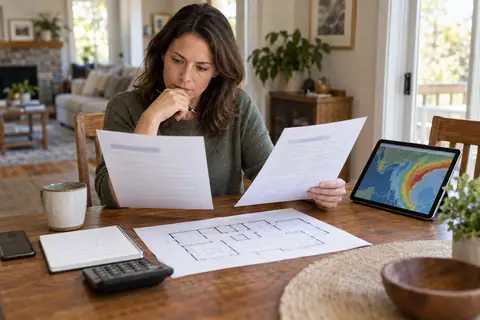
Home warranties: read the service contract before paying
Compare home service contract exclusions, caps, service fees, repair approval and cancellation with existing insurance and warranties.
Read the file
Climate risk and home insurance: address-level due diligence
Combine official hazard layers, site observations, building resilience and comparable insurance quotes before treating a home as affordable.
Read the file