Start with a verifiable decision
Ownership work becomes easier when recurring tasks and exceptional projects use the same record system. Keep equipment identifiers, repair dates, warranties and insurance documents together. Use the file to compare a proposed improvement with the actual condition of the building, rather than treating every recommendation as equally urgent.
Working sequence
- 01
Record the building baseline
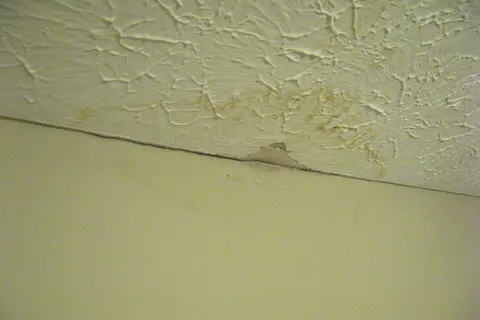
List major systems, known defects, warranties and completed work. Save useful photos and manuals with dates. Mark what was not inspected instead of converting an unknown condition into a reassuring assumption.
- 02
Separate maintenance from project design
Track routine service separately from upgrades. For a major project obtain a written scope, approvals where needed and comparable bids; keep hidden-work photos before finishes cover the work.
- 03
Review insurance and financial records
Update the possession inventory and ask about policy changes after significant work. Check escrow statements, loan servicing notices and property bills against your own payment records.
- 04
Keep a portable handover file
Back up essential records and keep contractor details, permits and final inspections accessible. A future buyer, insurer or specialist should be able to distinguish completed work from an unverified repair claim.
Record evidence alongside answers
For each important question, keep the source, date, address or parcel, scope, document and next action. Keep a pending answer visible until evidence arrives; a guide’s editing date does not automatically update a permit, quote or local rule.
Questions for your file
- Which condition requires diagnosis before choosing a repair?
- Can a backup be accessed after a loss?
- What evidence demonstrates that a project is complete?