Start with a verifiable decision
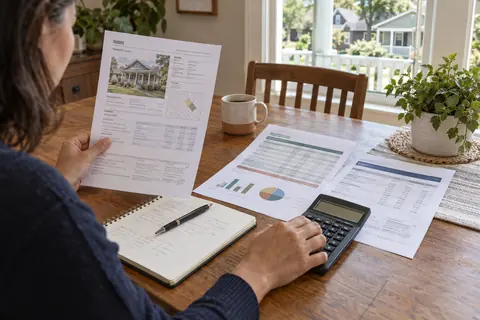
Several records can describe the same property while answering different questions. The assessor’s record supports tax research; recorded instruments and title review concern rights; planning and building records concern use and work. Reconcile identifiers and dates before treating one record as proof of another.
Working sequence
- 01
Confirm identity and jurisdiction
Match address, parcel number and legal description with the correct county or city offices. Use the exact jurisdiction’s records rather than a similarly named place or a statewide average.
- 02
Investigate rights and physical boundaries
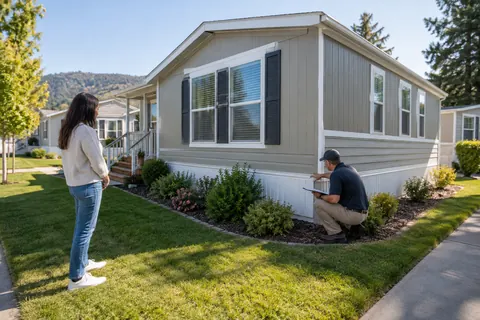
Bring title exceptions, easement documents and survey questions to the relevant professional. A visible fence or map outline does not settle every boundary or access question.
- 03
Test future tax assumptions
Ask how a transfer, exemption change or improvement could affect the bill. Keep the seller’s current tax amount separate from your estimated ownership cost and document the source of each figure.
- 04
Verify intended use and preserve closing records
Review permits, occupancy and any historic or association restrictions for the intended project. Keep acquisition and settlement documents for later legal and tax review; seek advice using the actual transaction facts.
Record evidence alongside answers
For each important question, keep the source, date, address or parcel, scope, document and next action. Keep a pending answer visible until evidence arrives; a guide’s editing date does not automatically update a permit, quote or local rule.
Questions for your file
- Which record proves the specific fact I need?
- Does the intended use require a separate approval?
- Which seller tax benefit may not transfer to me?